
‘Hydrogen is tomorrow’s biofuel’ say scientists
Researchers from the University of Birmingham are creating clean hydrogen from food waste paving the way for a bioenergy alternative for the future.
Currently, Brazil...
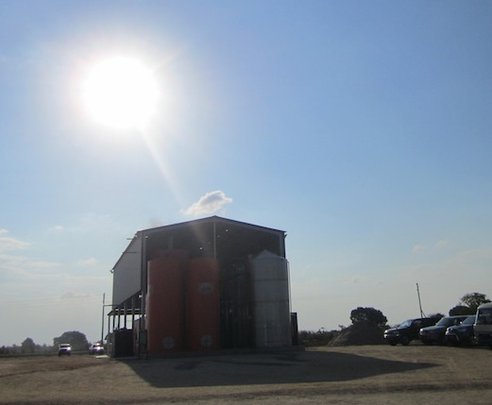
Mozambique has a world’s first biofuel plant
A biofuel plant designed to produce sustainable cooking fuels was opened in Dondo, Mozambique as the world’s first. The biofuel plant called CleanStar Mozambique...
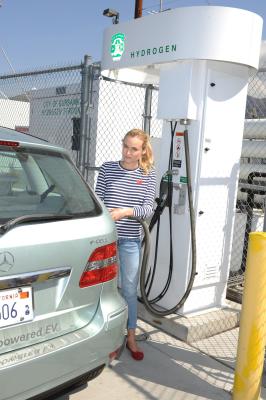
Emissions-free fuel-cell car from Mercedes-Benz conquers Hollywood
An increasing number of Hollywood stars are opting for eco-friendly mobility from Mercedes-Benz.
Actress Diane Kruger is one of more than 35 environmental enthusiasts and...
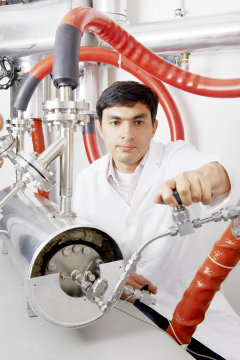
Hydrogen as alternative to petrol
The European Technology Initiative, “Fuel Cells and Hydrogen Joint Undertaking” (FCH JU), is providing approx 2.3 million euro of finance for the development of...
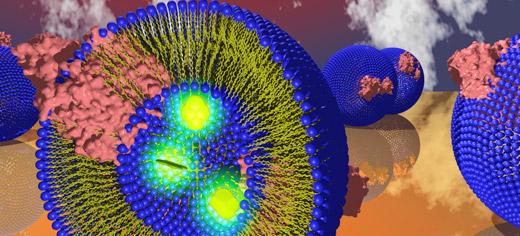
Creating energy from light and air
Researchers from the University of Leeds are studying how to make electricity from electrodes coated in bacteria, and other living cells, using light or...
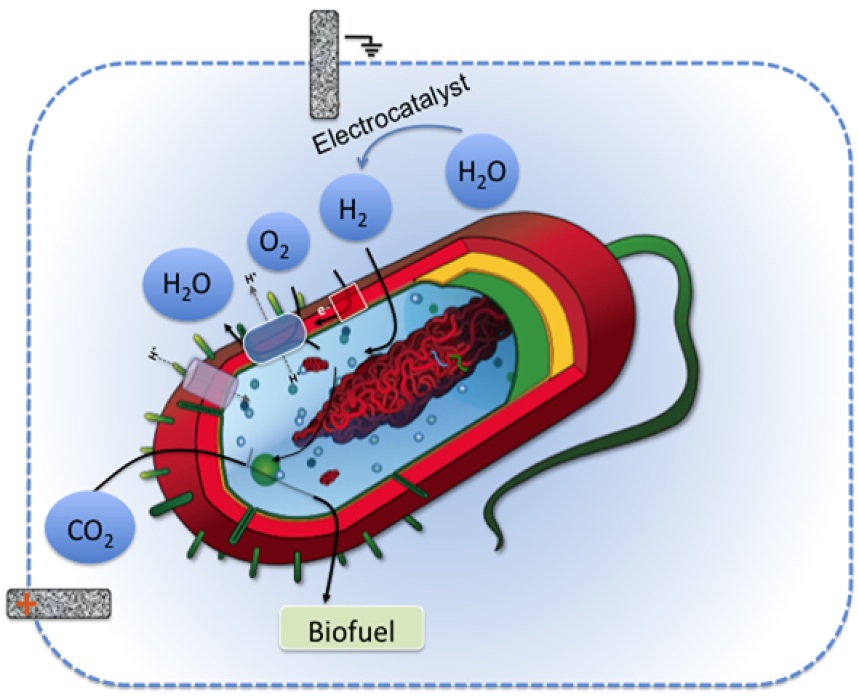
From soil microbe to super-efficient electrofuel factory
Is there a new path to biofuels hiding in a handful of dirt?
Lawrence Berkeley National Laboratory (Berkeley Lab) biologist Steve Singer leads a group...
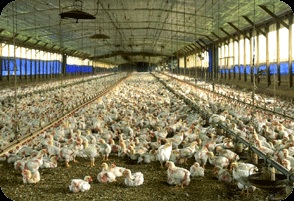
Power and waste management system for the poultry industry
The EERC will run several weeks of pilot-scale tests to determine the efficiency and performance of the system using poultry litter and other waste...
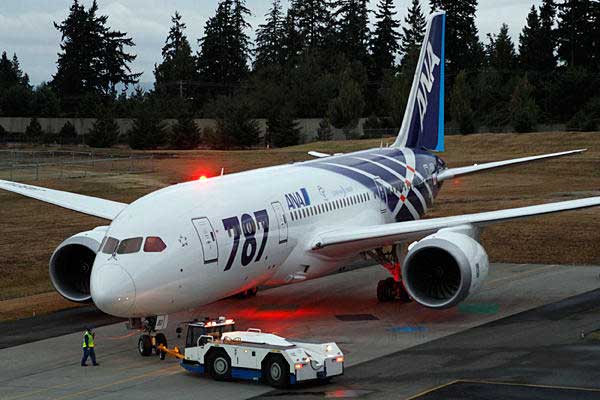
Boeing 787 Dreamliner flew first time over Pacific Ocean using biofuel
Last June Boeing 747-8 Freighter crossed the Atlantic Ocean running partially on biofuel.
Now, another company’s 787 Dreamliner set another milestone by crossing the Pacific...

Waste to energy technology moves from the lab to the marketplace
Technology invented by a University of California, Davis, researcher that converts solid waste into renewable energy is debuting today as the first commercially available,...
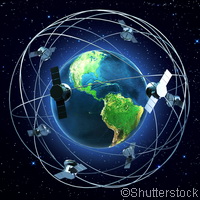
The nanosatelites powered by very efficient mini motor
A European team of researchers led by the Ecole Polytechnique Fédérale de Lausanne (EPFL) in Switzerland has developed a prototype of a new, ultra-compact...